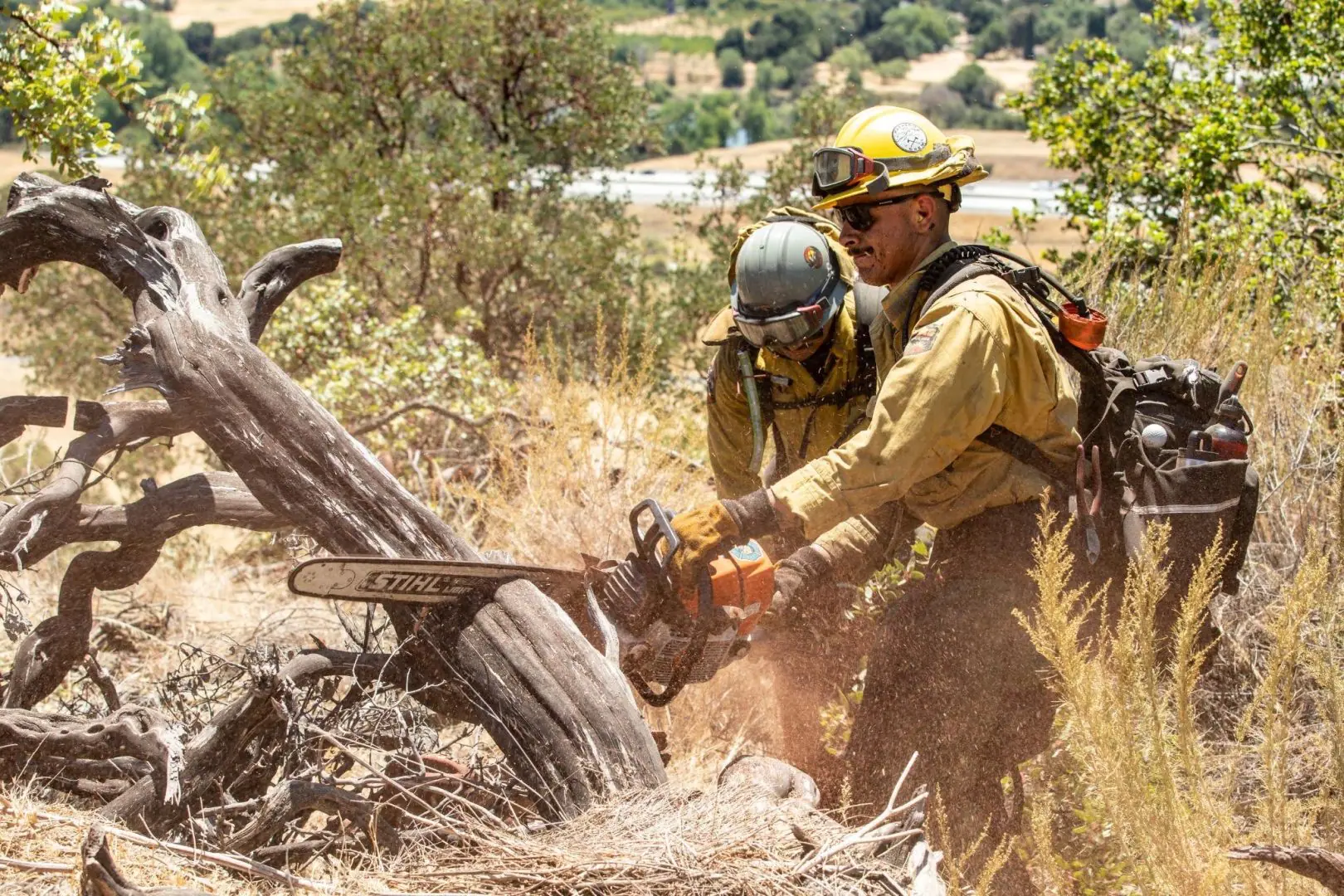
Wildland Firefighting
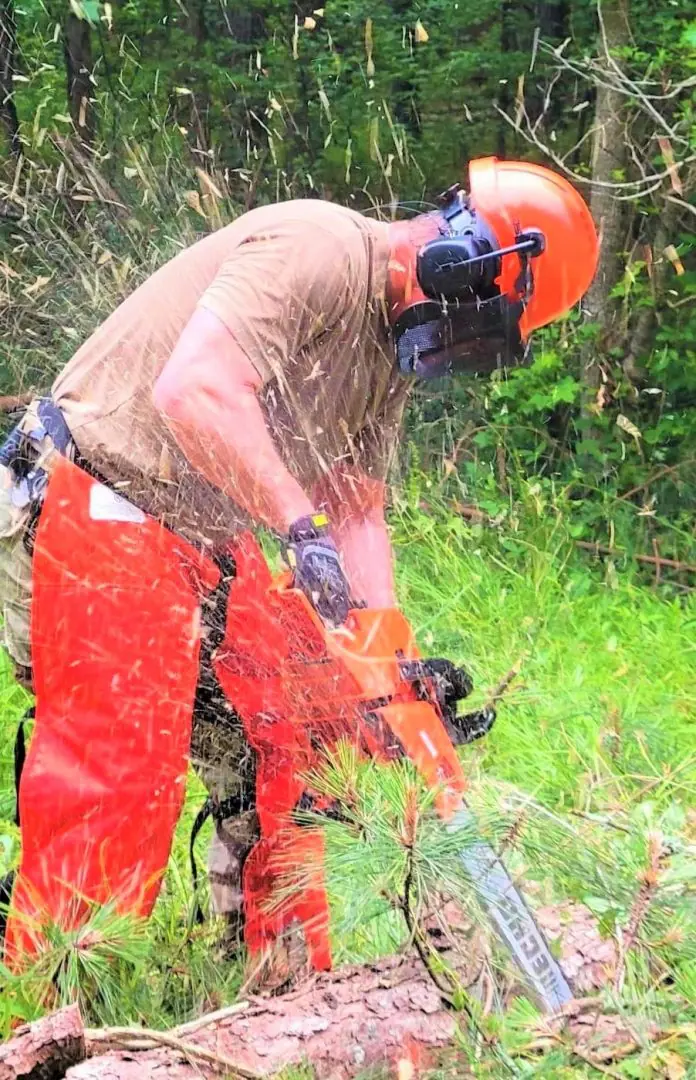
Trained State Guard personnel combat wildfires by clearing vegetation, constructing firebreaks, and working with state firefighting agencies with wildfire prevention and suppression.
Explore the differences between the State Guard and National Guard,
including their missions, training, responsibilities, and deployment capabilities.
While the National Guard supports both national defense and domestic emergencies,
the State Guard focuses on homeland security, disaster response, and military support within its respective state.
Trained State Guard personnel combat wildfires by clearing vegetation, constructing firebreaks, and working with state firefighting agencies with wildfire prevention and suppression.
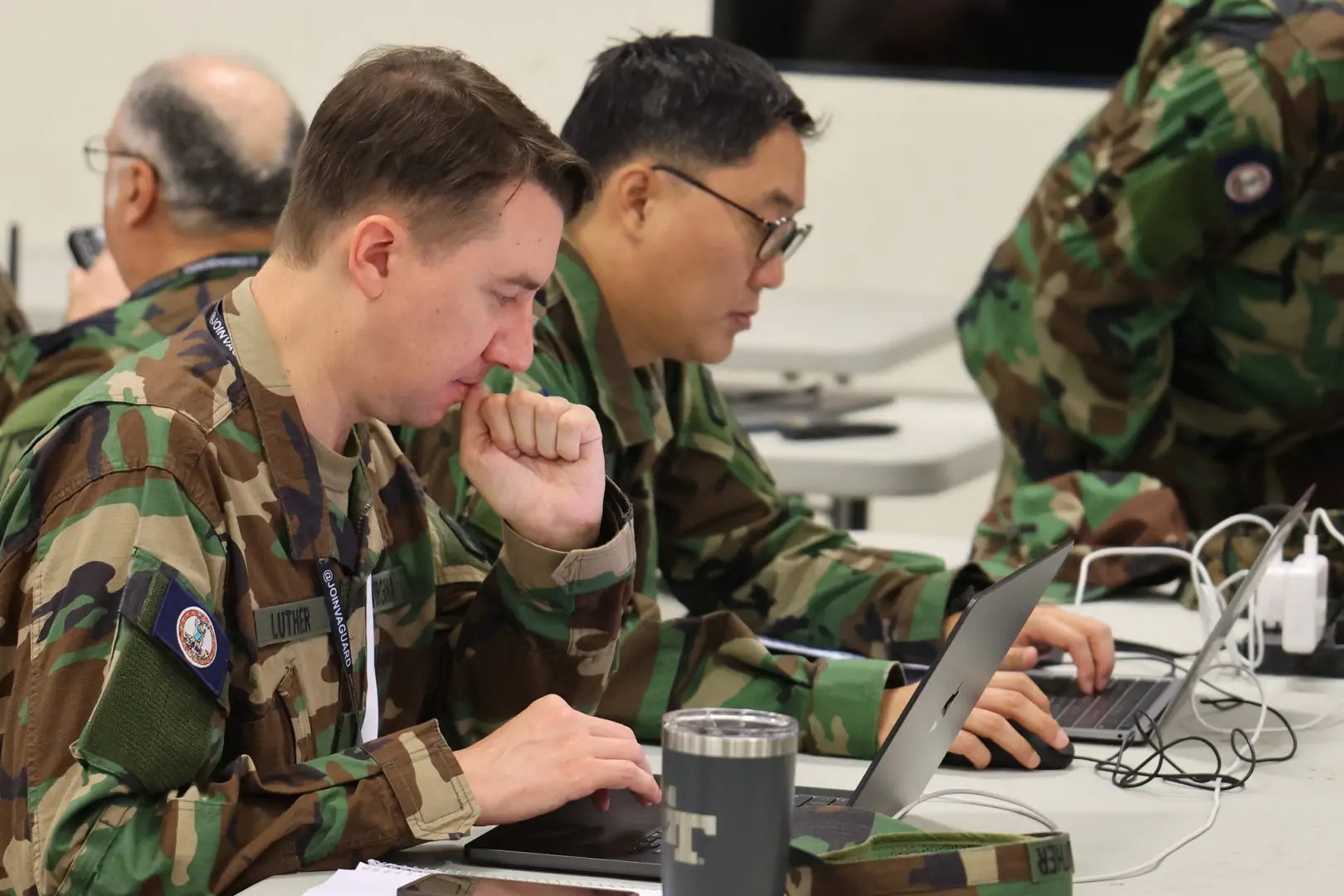
State Guard cyber teams protect government networks, identify security vulnerabilities, and assist National Guard cybersecurity units in defending critical infrastructure against cyber threats.
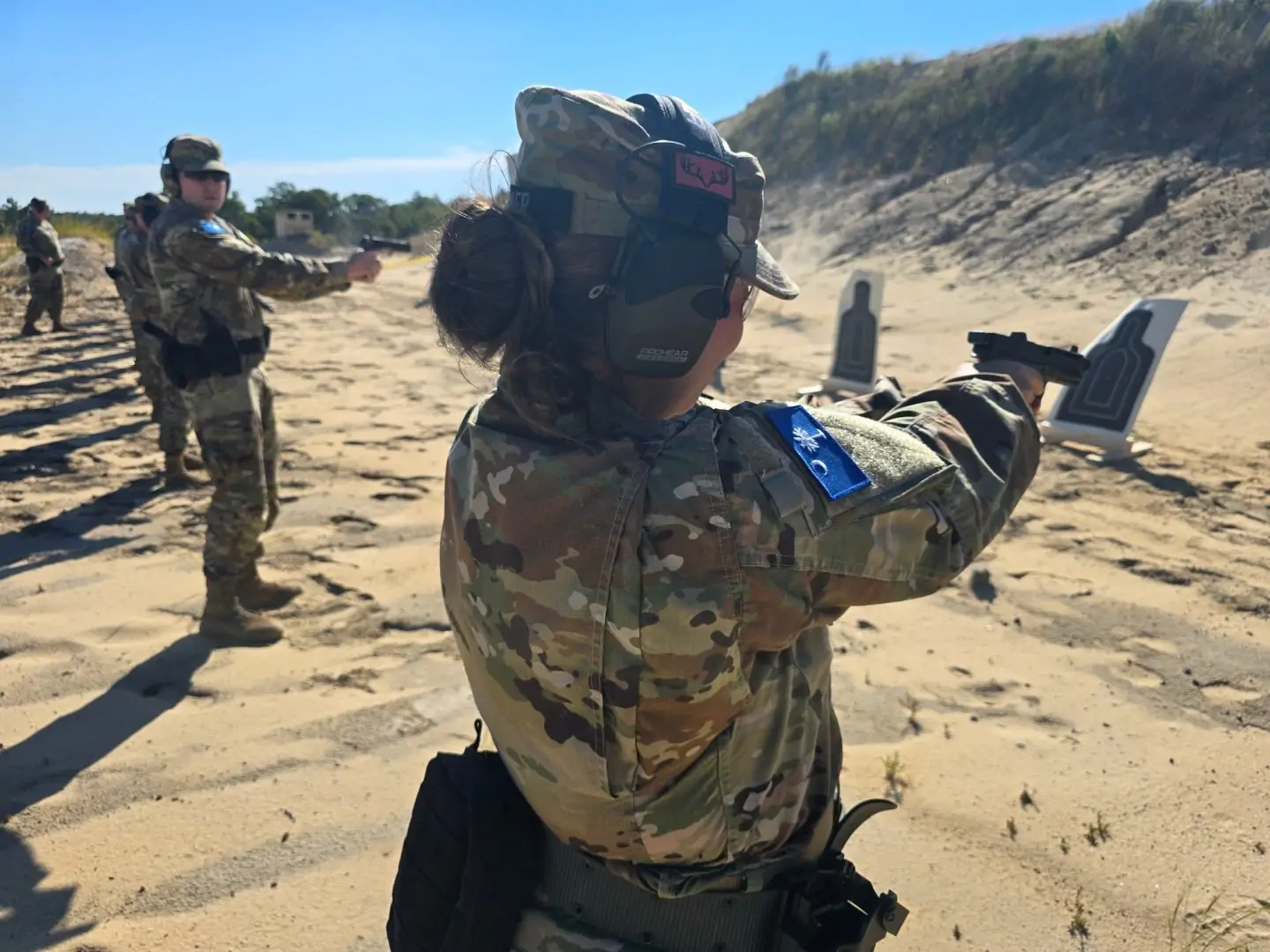
State Guard personnel augment law enforcement and correctional agencies by providing facility security, emergency assistance, and other authorized law enforcement support.
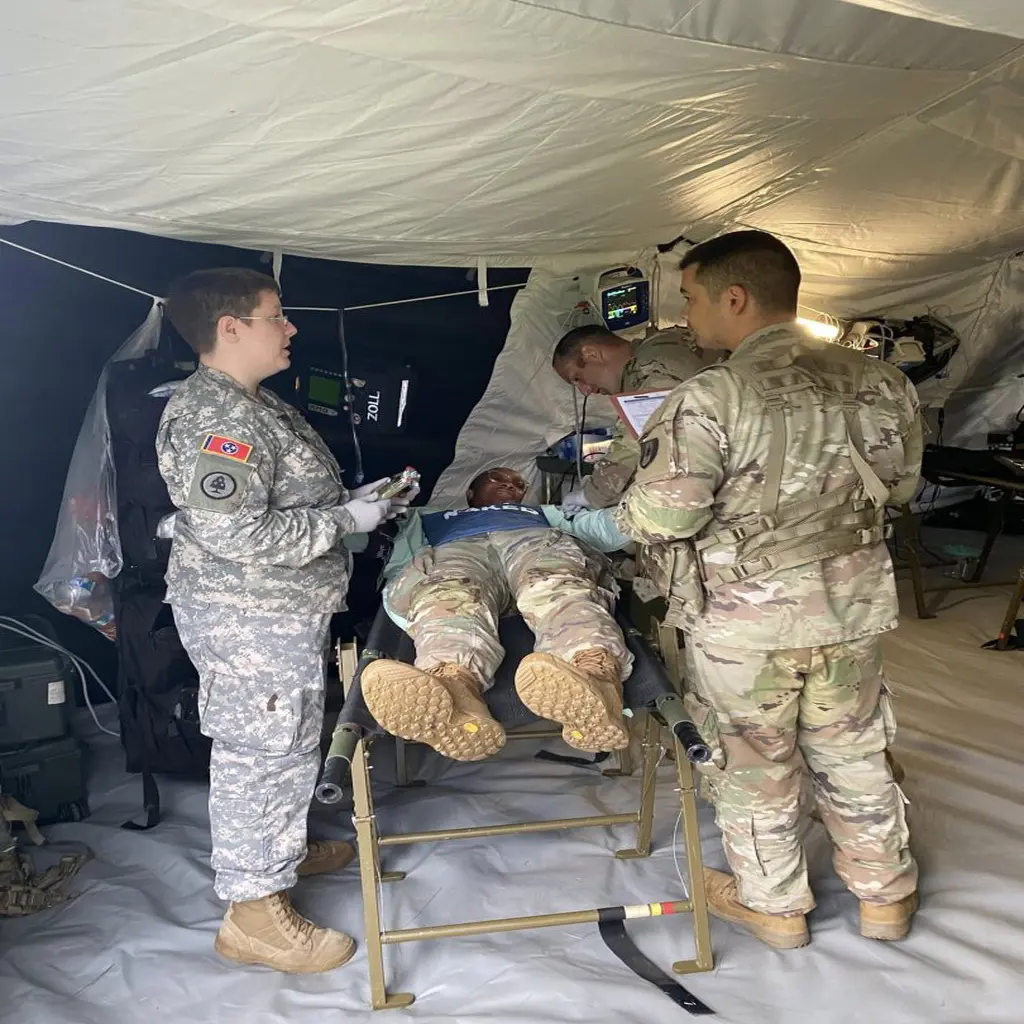
State Guard medical professionals provide medical evaluations, emergency care, and lifesaving training while supporting National Guard operations, public health missions, and disaster response.
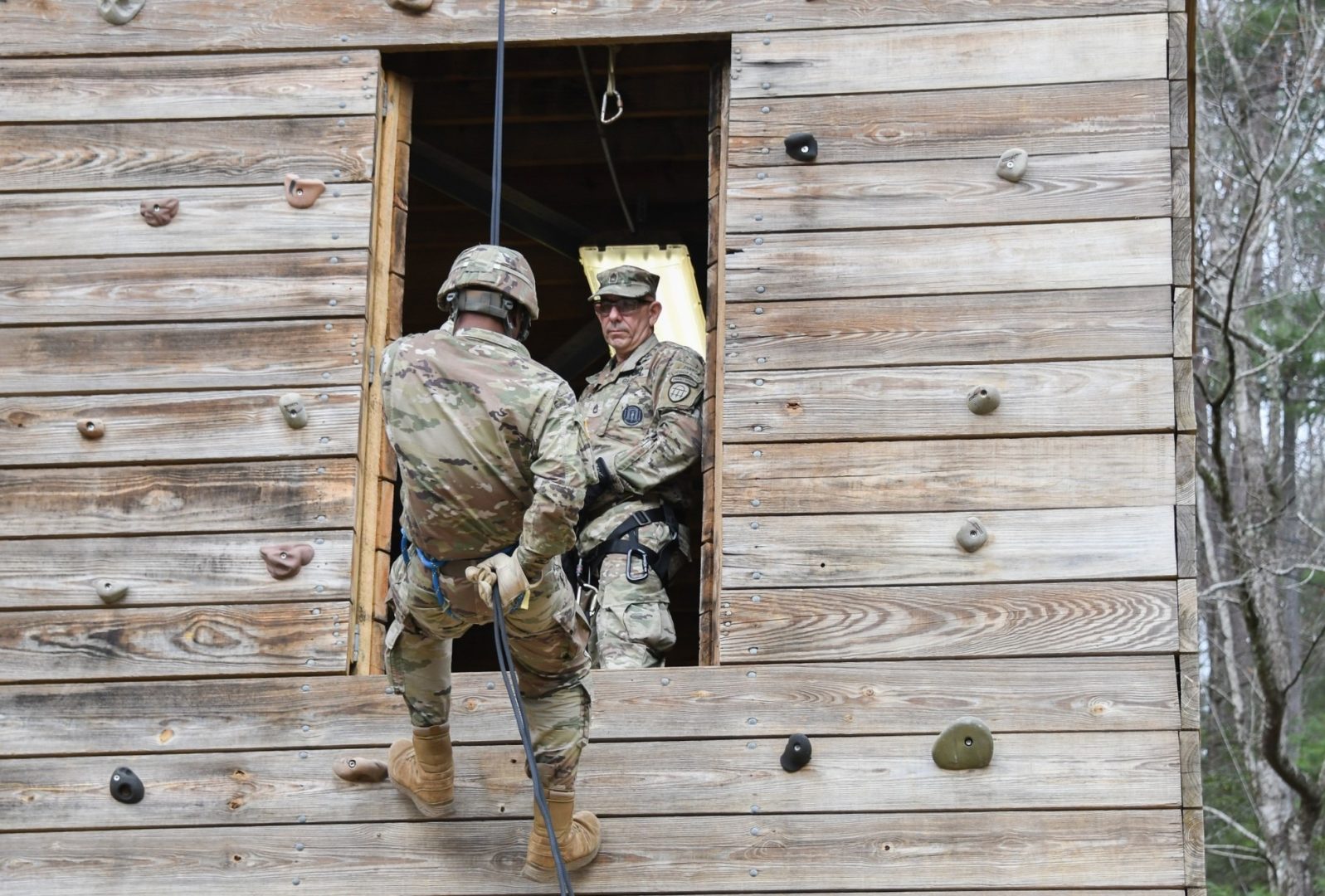
State Guard Search and Rescue teams locate, rescue, and evacuate individuals during floods, hurricanes, and other emergencies, operating on land, water and air.
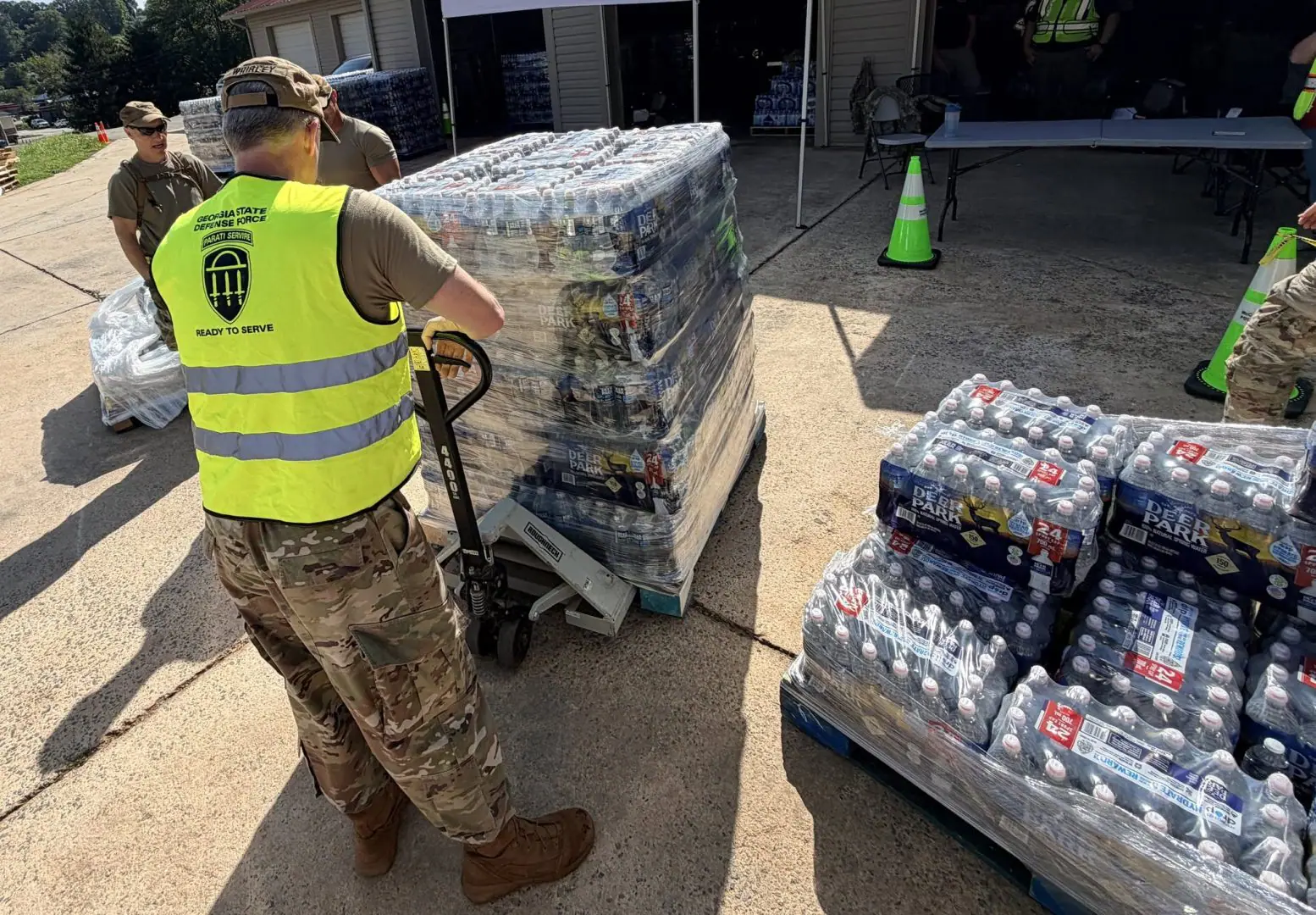
State Guard logistics units transport personnel, equipment, food, water, and emergency supplies to support disaster relief missions.
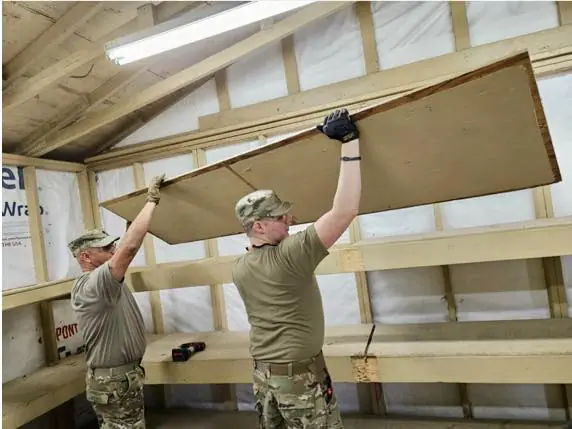
State Guard engineering teams assist with Army National Guard Facility infrastructure inspections, debris removal, and the construction or maintenance of military training facilities and other authorized projects.
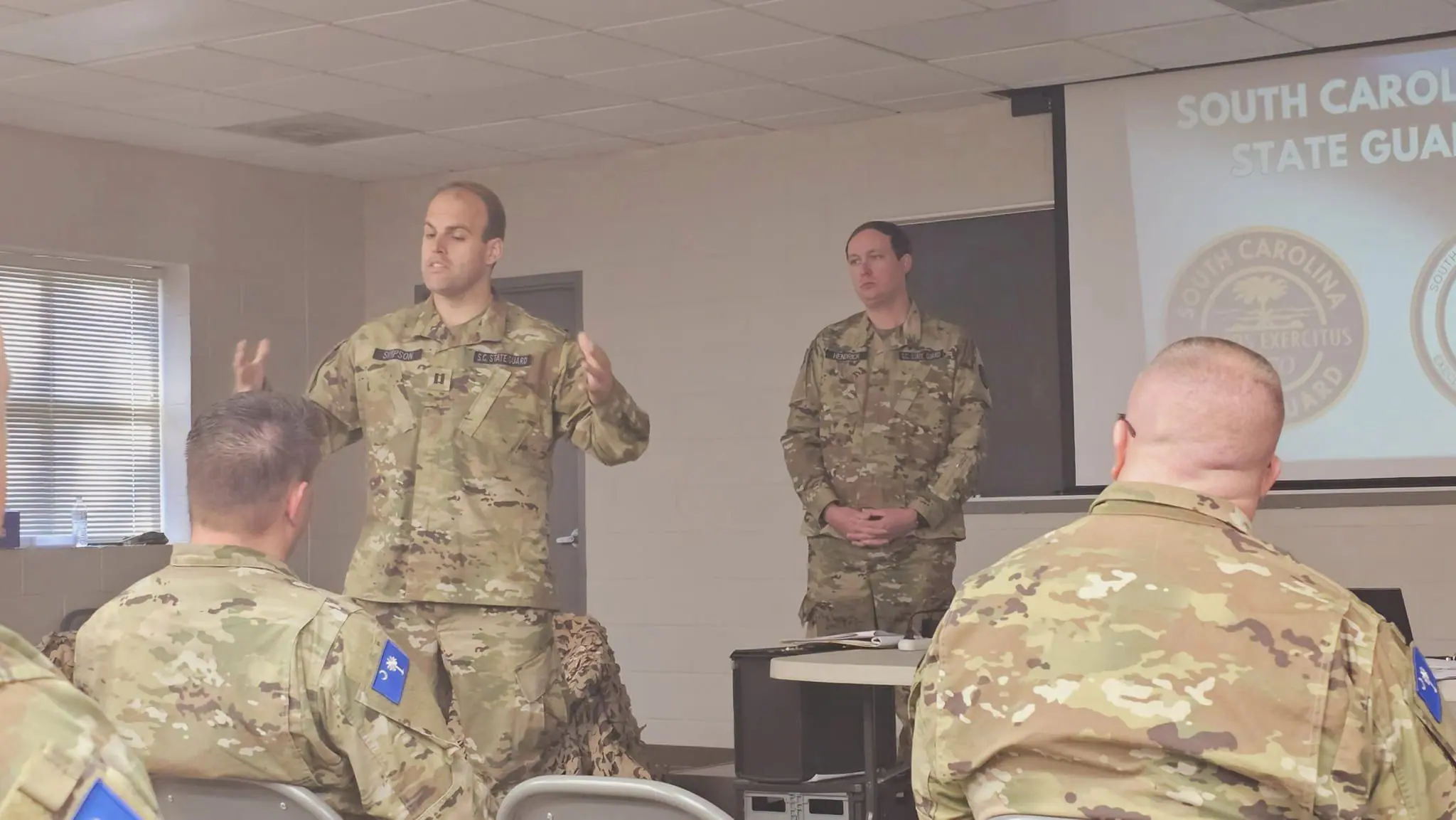
State Guard legal professionals provide military legal assistance, advise commanders, and support National Guard personnel with authorized legal and administrative matters.
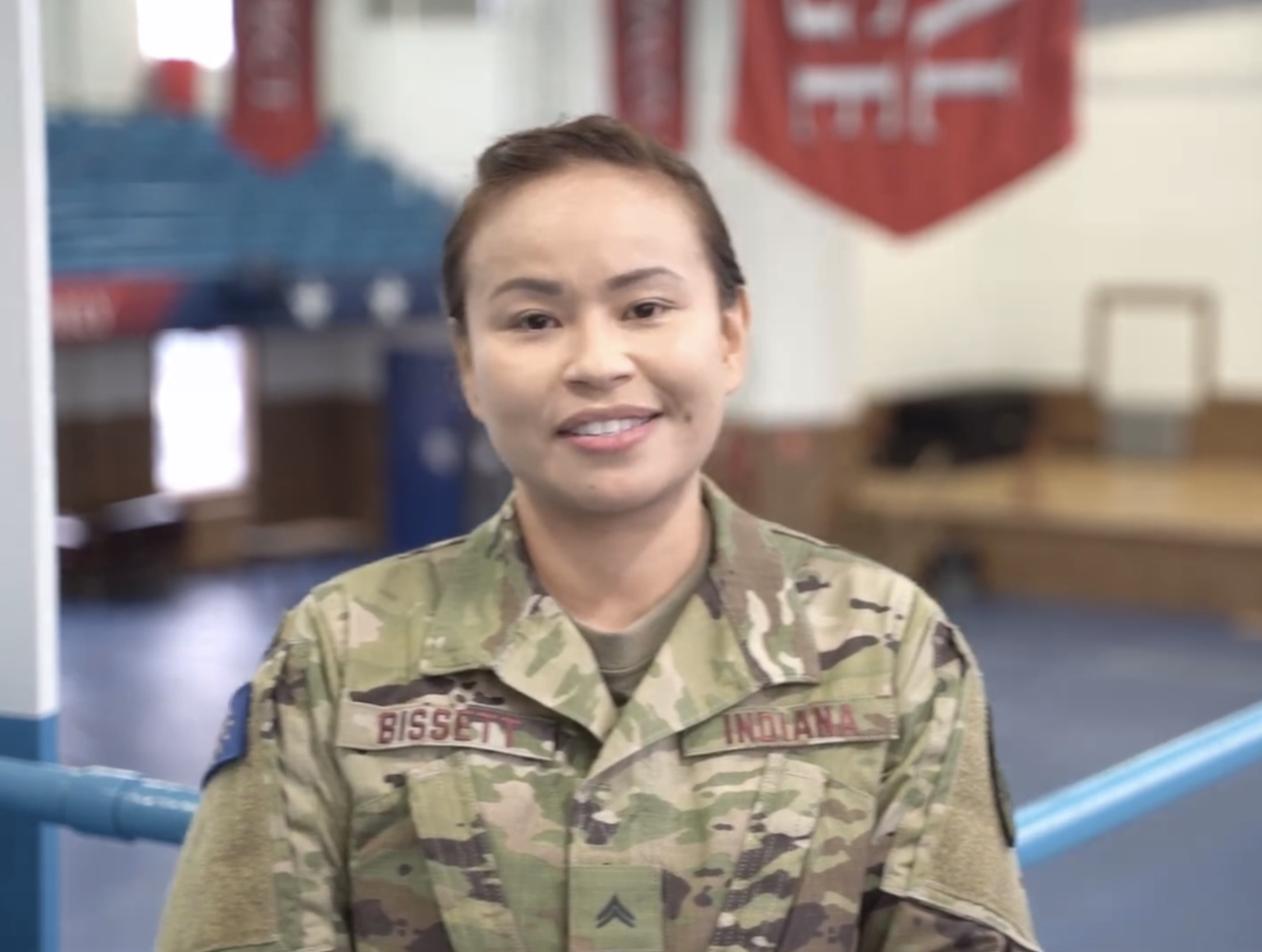
State Guard Public Affairs teams communicate official information during emergencies, and promote public awareness of the organization’s missions, training, and accomplishments.
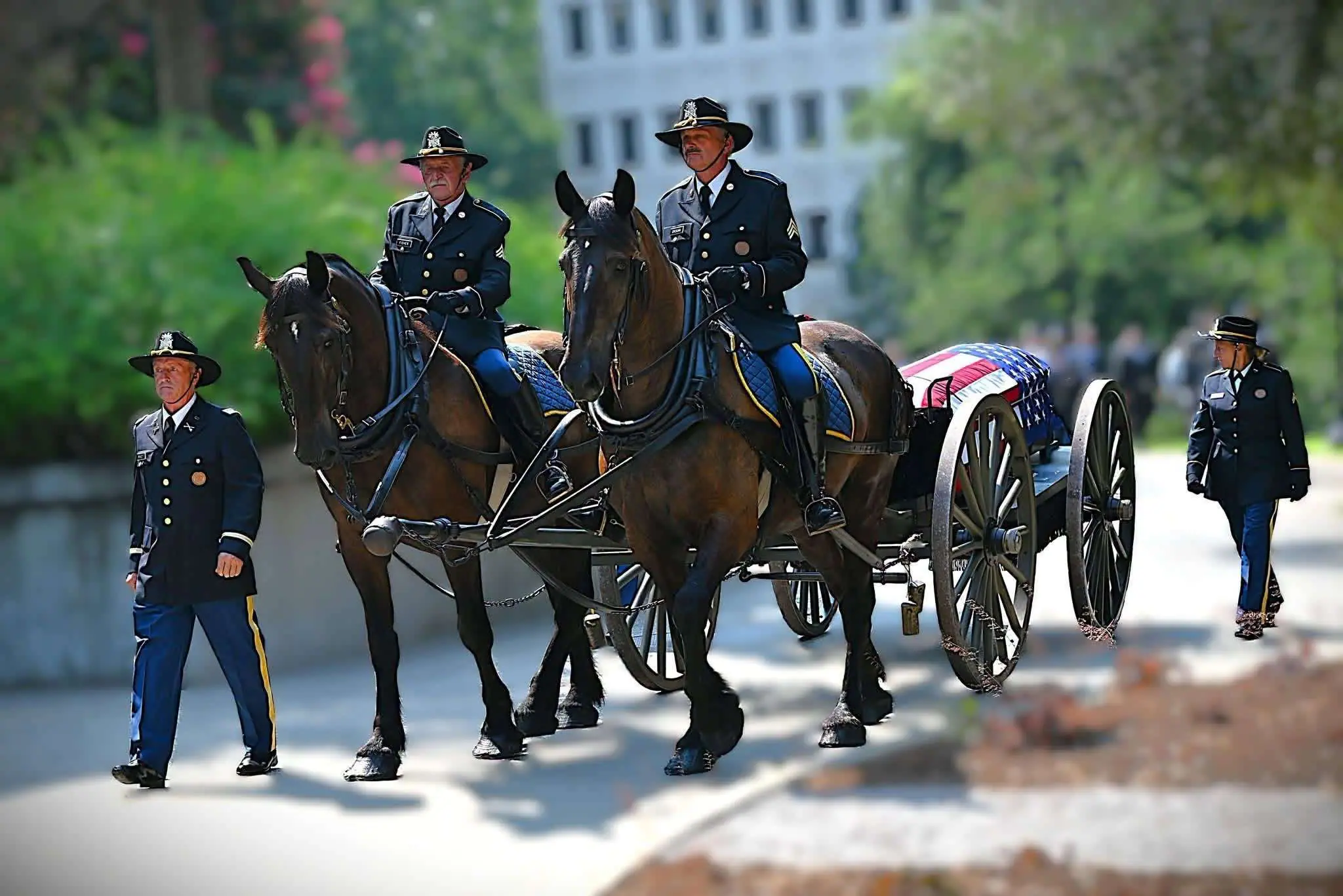
State Guard Honor Guard units participate in military ceremonies, memorial services, and official events, honoring the service and sacrifice of military personnel.
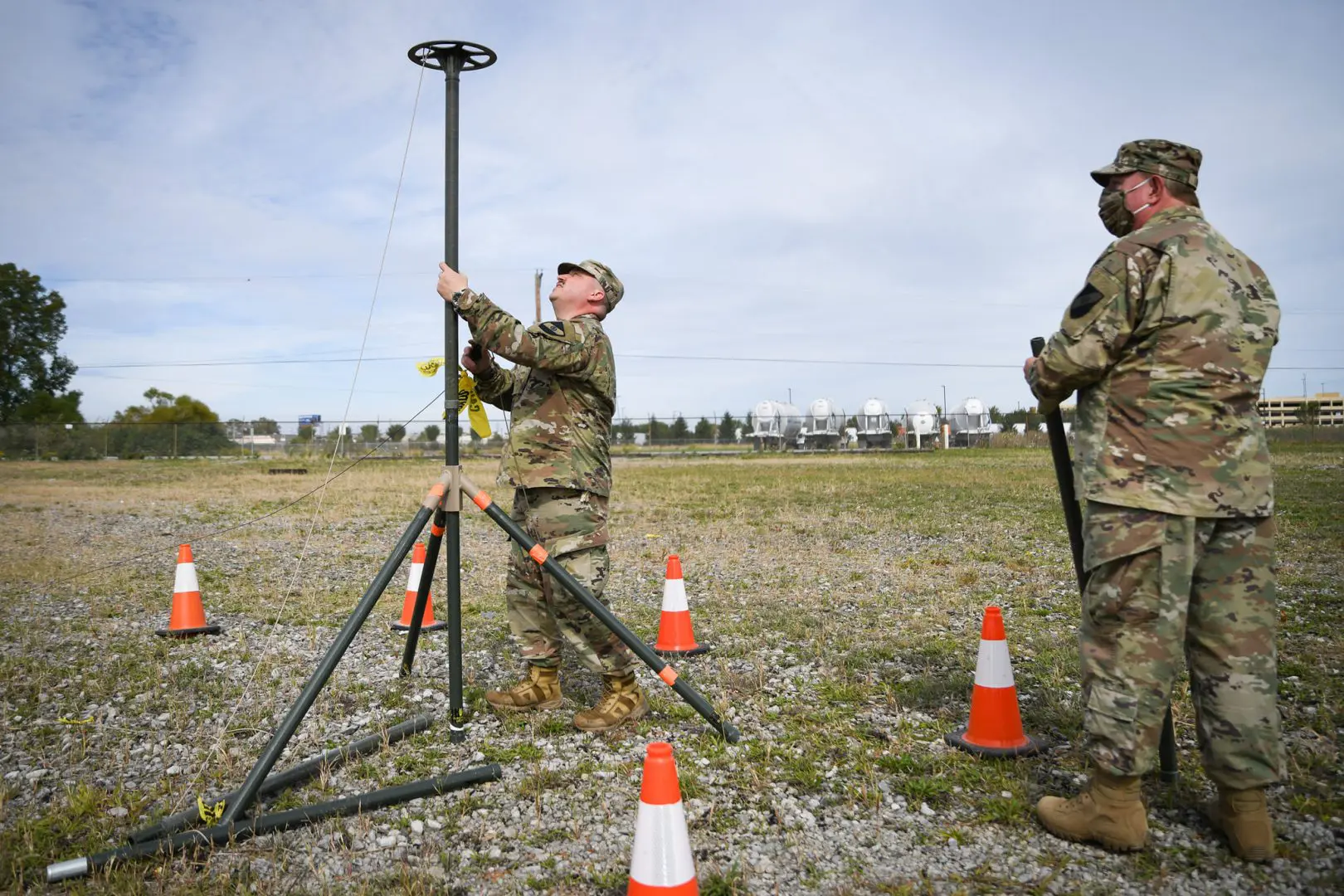
State Guard communications teams establish emergency radio networks and maintain communications between military units and civilian emergency responders when conventional systems fail.
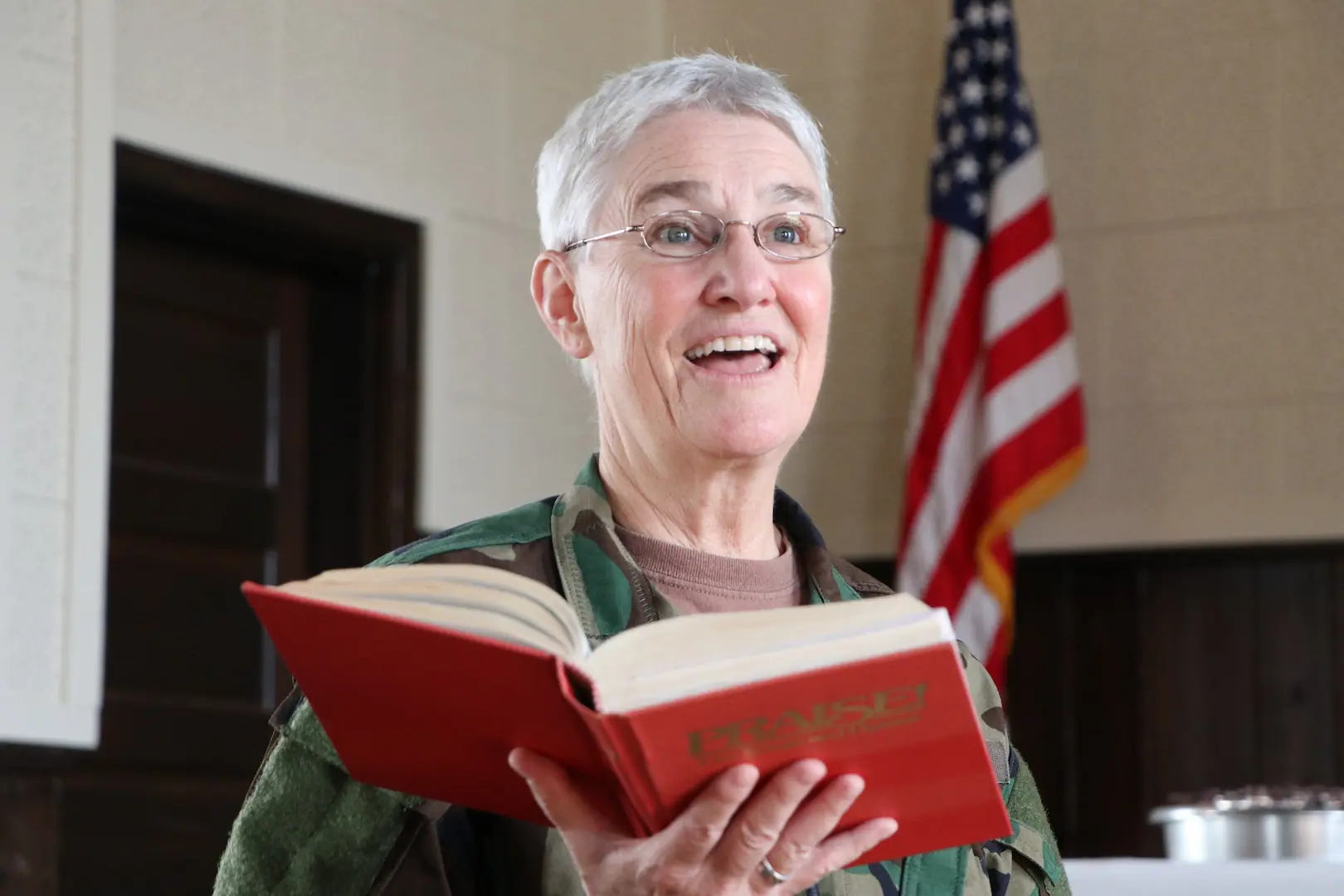
State Guard chaplains provide religious services, spiritual guidance, pastoral counseling, and personal support to military personnel during training, deployments, and emergencies.
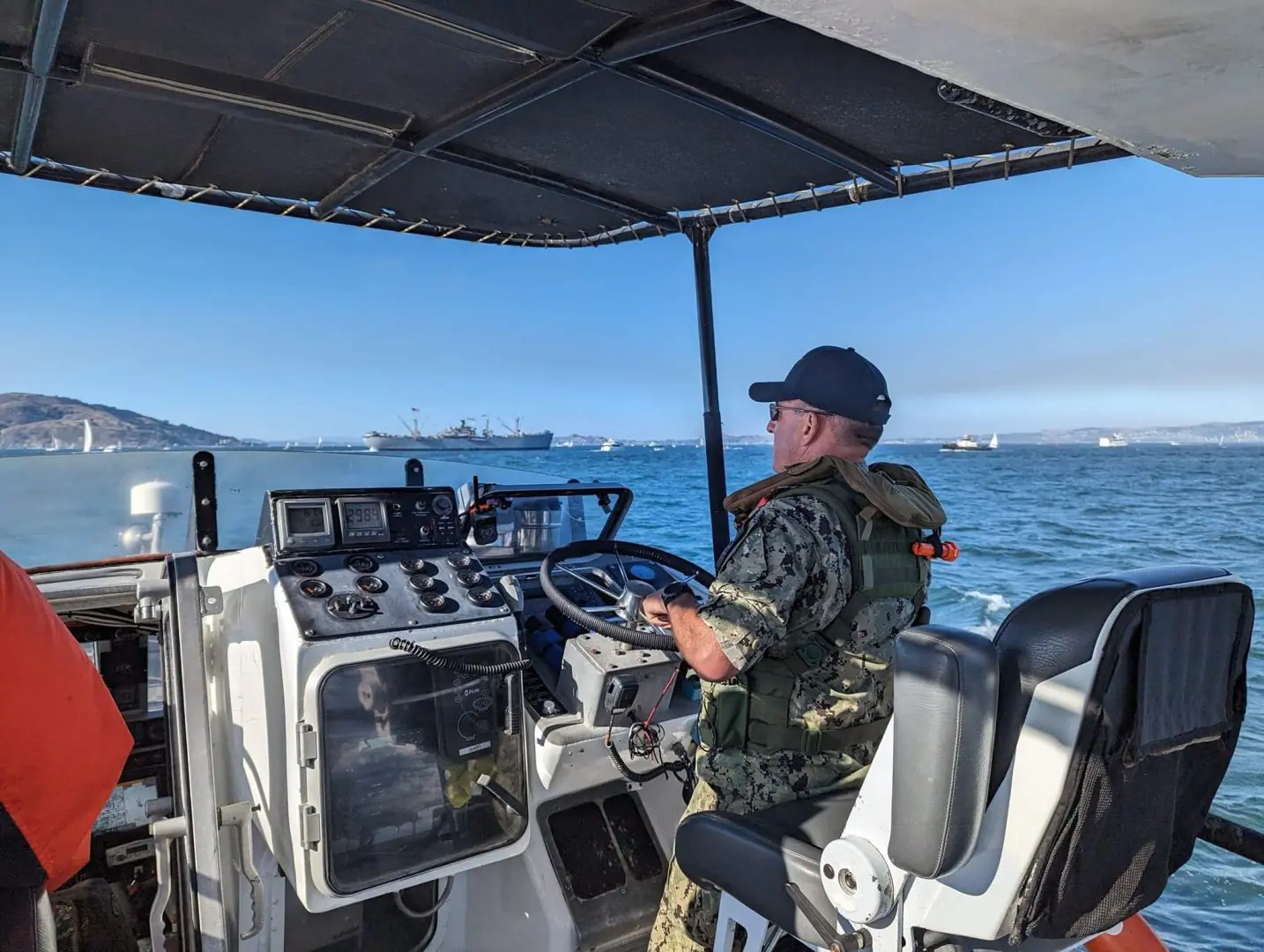
State Guard maritime units assist with harbor security, waterway safety, maritime search and rescue, and emergency response operations during floods and coastal disasters.
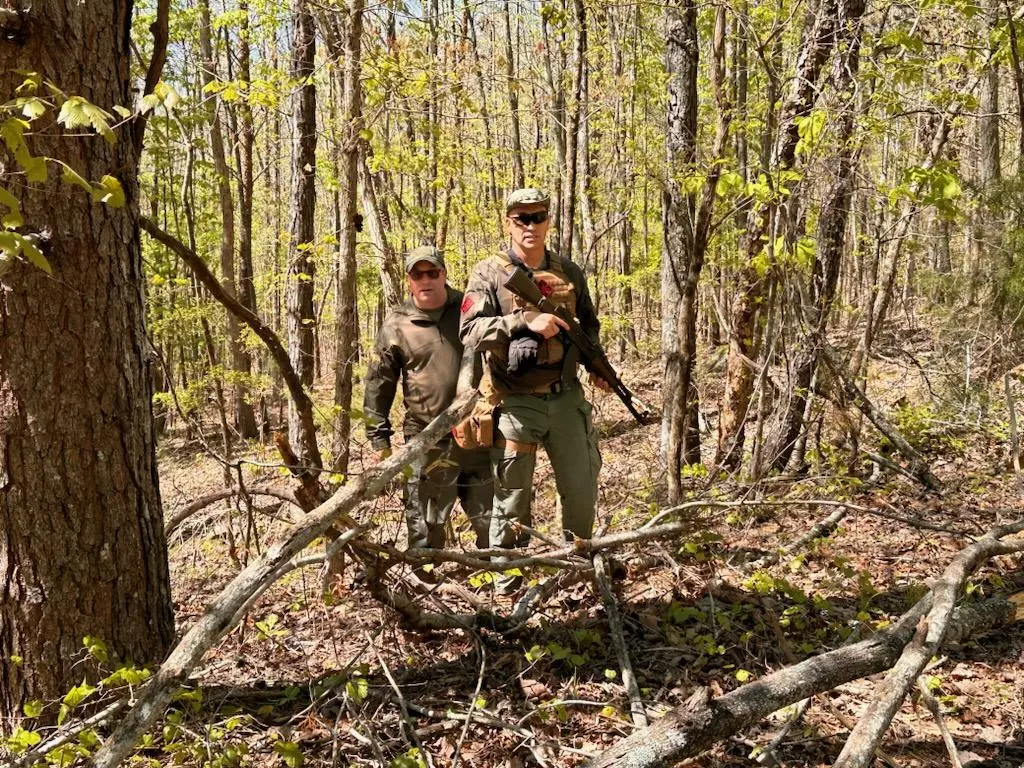
State Guard soldiers simulate enemy forces during National Guard military exercises, creating realistic combat scenarios that strengthen Army National Guard tactical training and battlefield readiness.
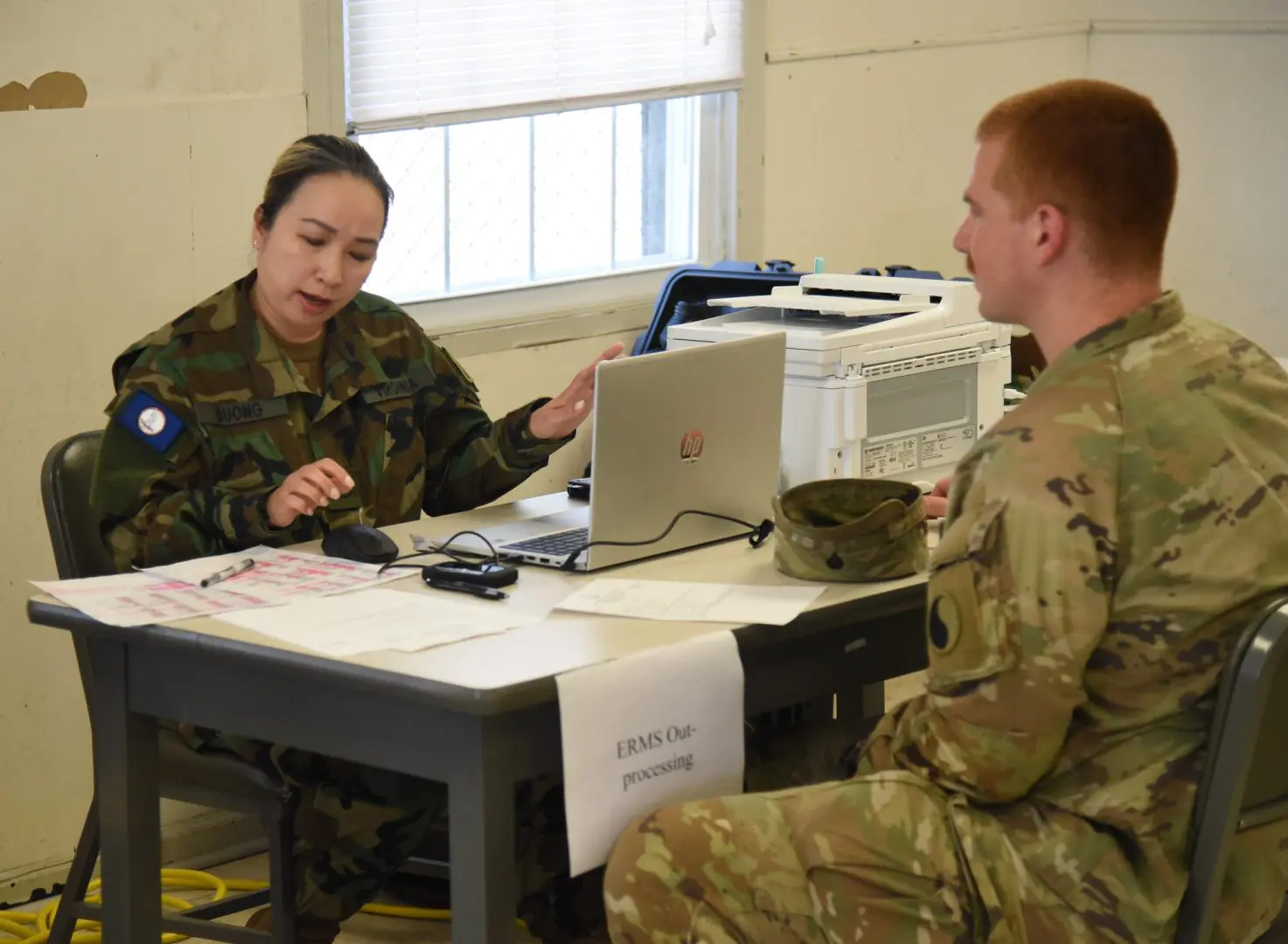
State Guard personnel support National Guard mobilizations and deployments by providing administrative assistance, logistical coordination, legal assistance and personnel processing support.
State Guard personnel respond to natural disasters by assisting with emergency shelters, disaster relief distribution, debris removal, and Emergency Operations Center support.
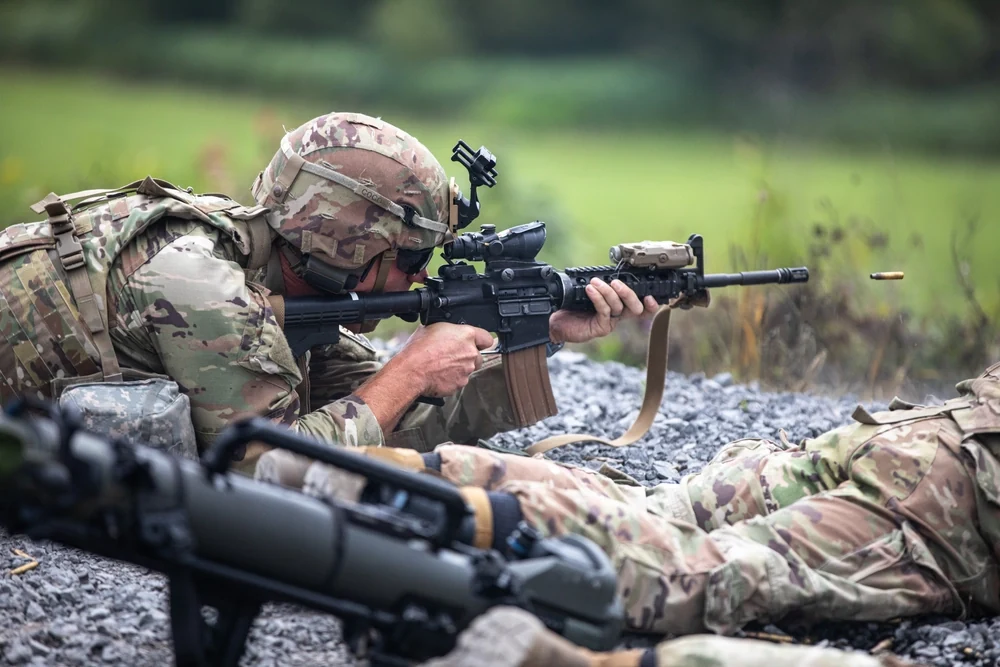
Infantry Soldiers conduct ground combat operations, engaging enemy forces, securing strategic positions, and defending critical terrain during military operations.
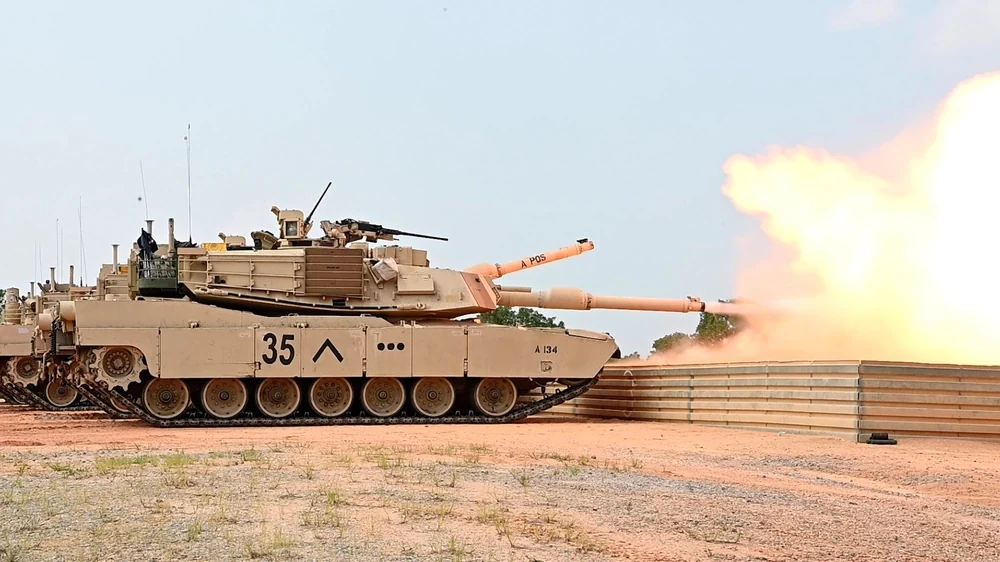
Army National Guard tank crews operate M1 Abrams tanks to destroy enemy armored formations, support infantry operations, and secure the battlefield.
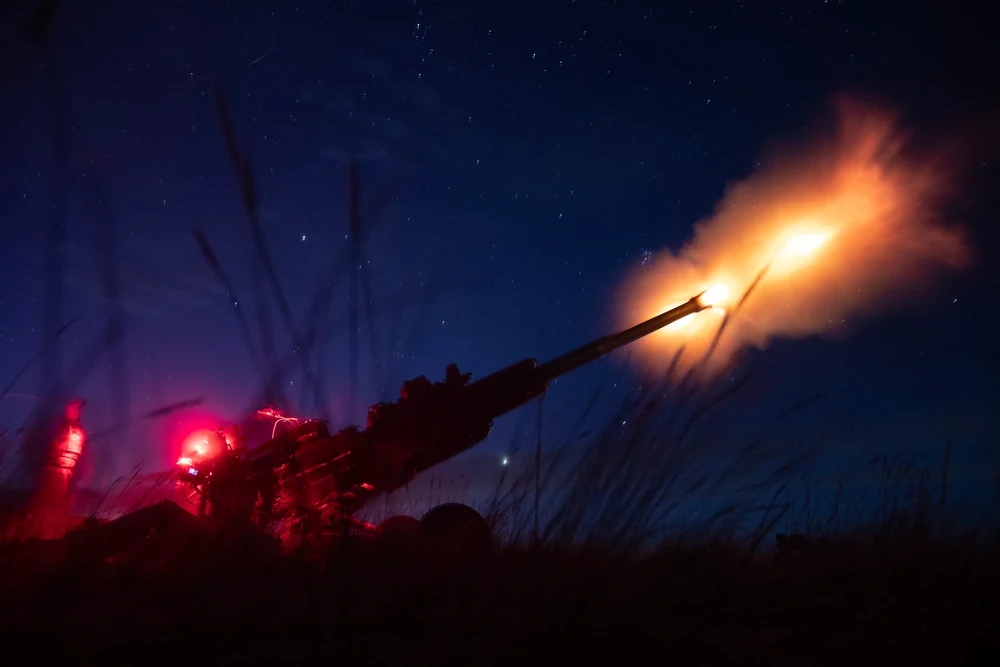
Field Artillery crews operate powerful howitzers to deliver long-range firepower against enemy positions and support friendly ground forces.
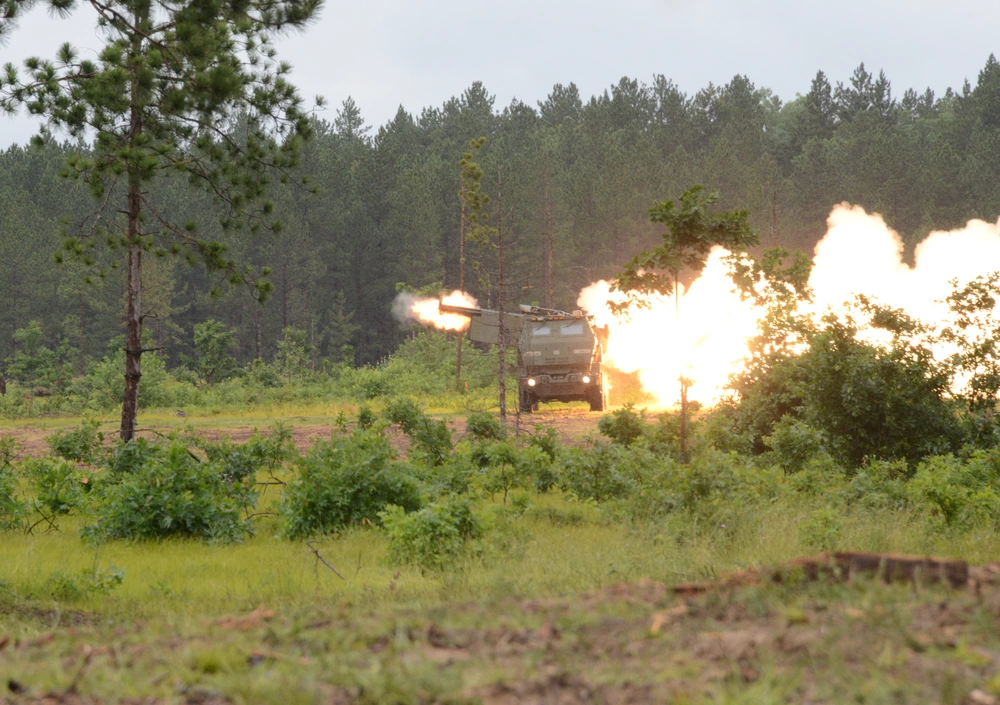
Rocket Artillery crews operate HIMARS and Multiple Launch Rocket Systems to deliver precision strikes against enemy forces and strategic military targets.
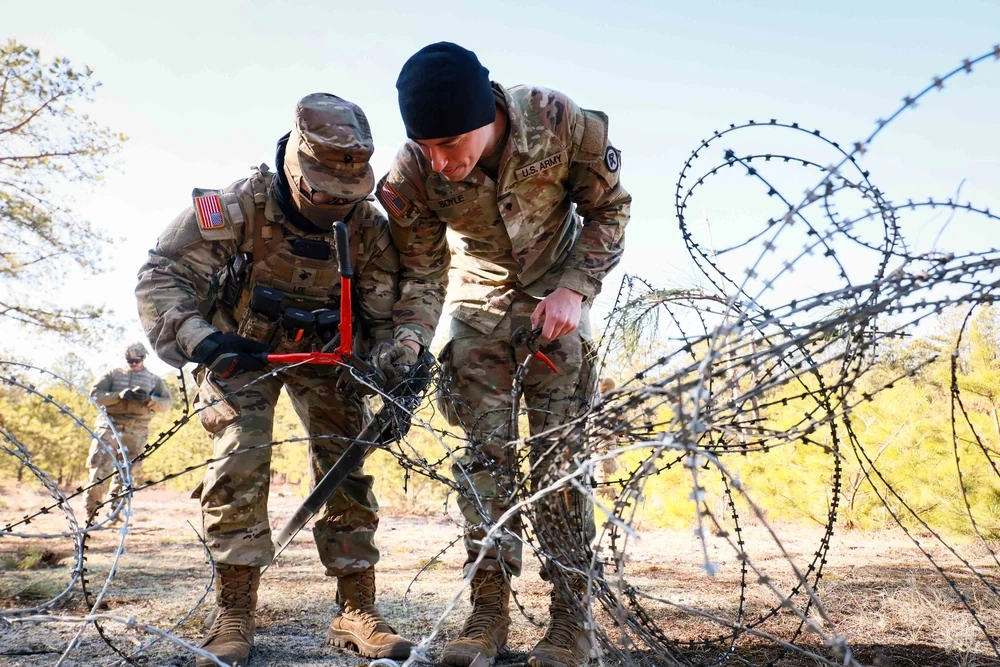
Combat Engineers clear minefields, breach enemy obstacles, construct defensive fortifications, and establish routes for advancing military forces.
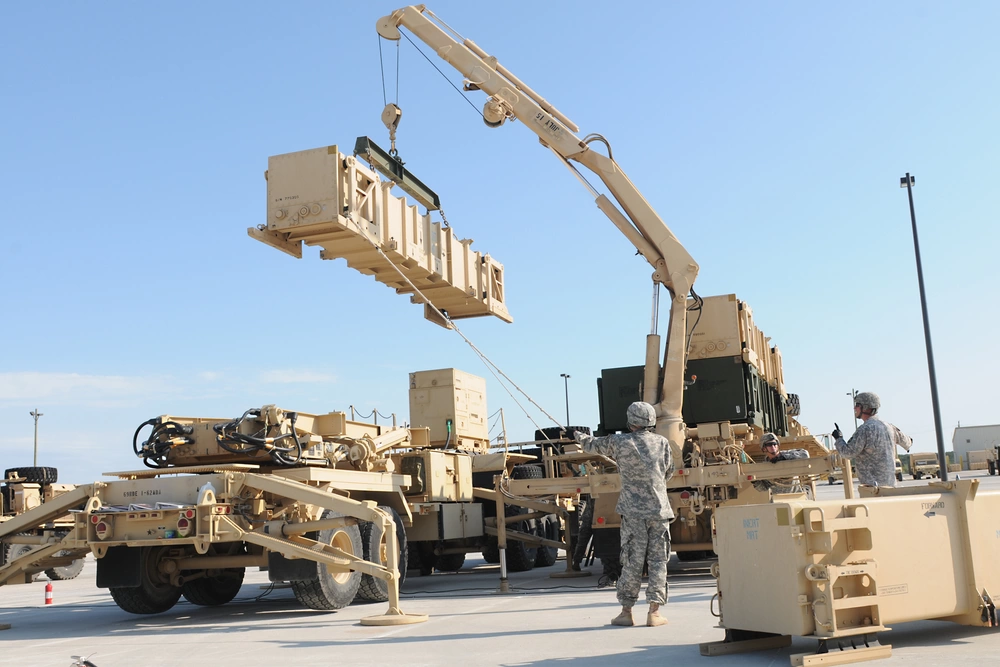
Air Defense Soldiers operate PATRIOT missile systems to protect military installations, allied forces, and critical infrastructure from hostile aircraft and missiles.
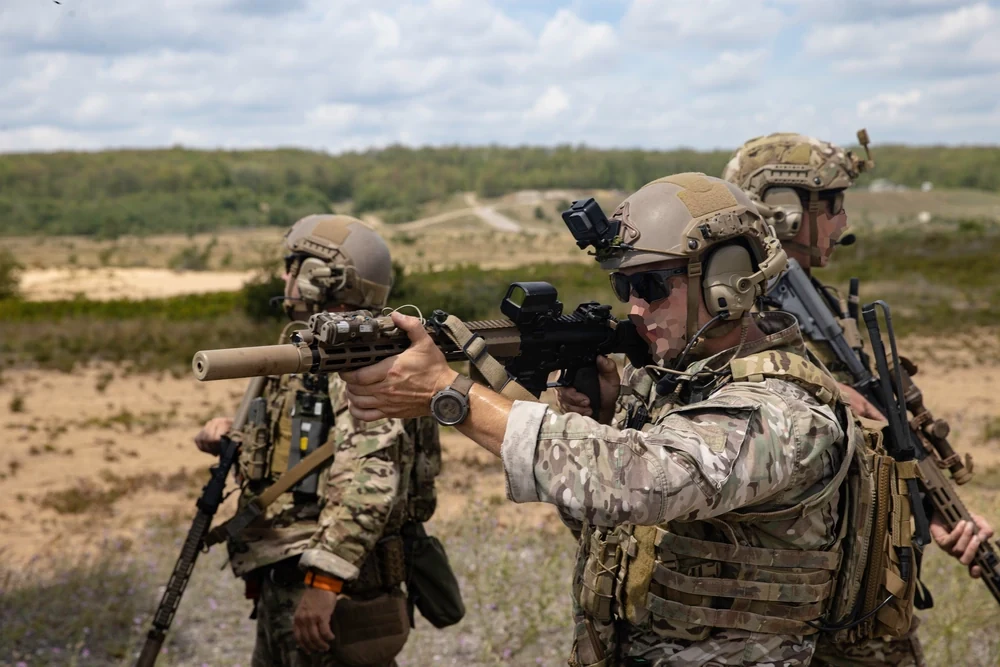
Army National Guard Green Berets conduct unconventional warfare, special reconnaissance, direct action, and military training missions alongside allied forces.
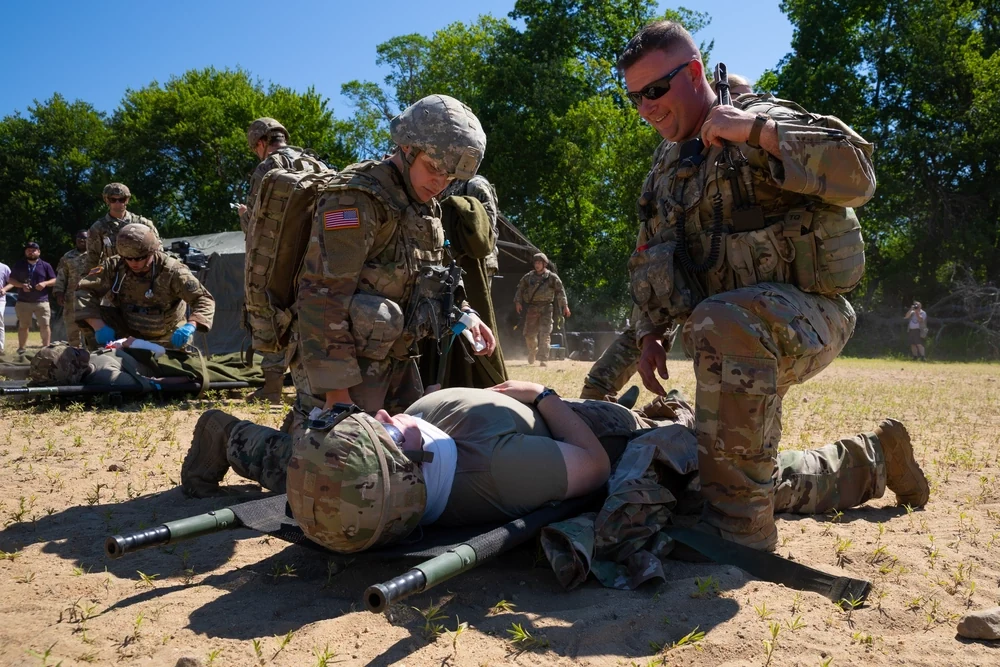
Combat Medics provide emergency battlefield treatment, stabilize wounded Soldiers, and coordinate lifesaving medical evacuations during combat operations.
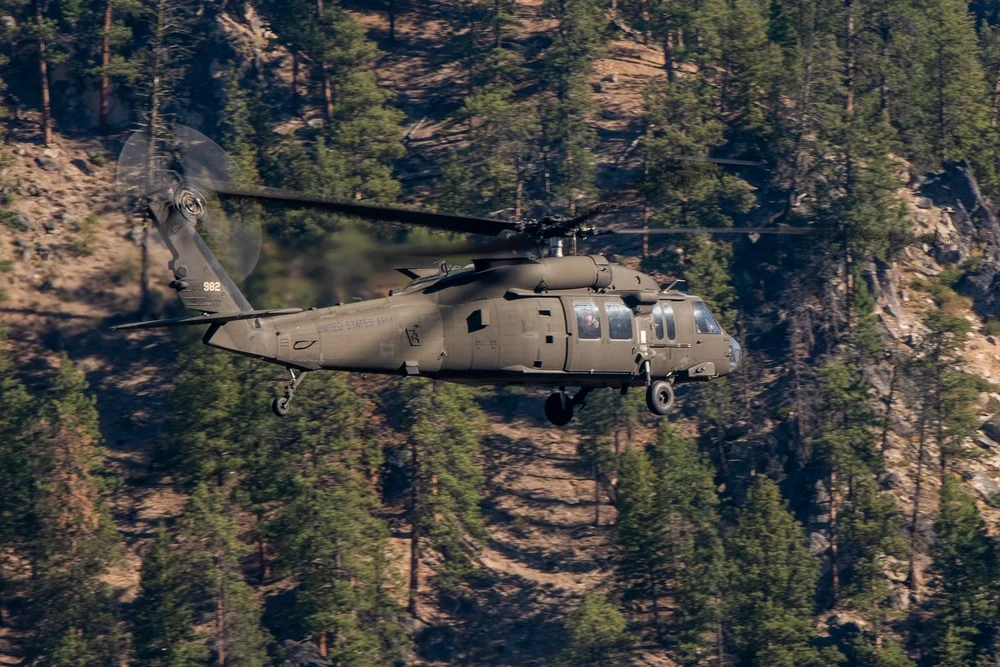
Army Aviation officers lead helicopter missions supporting troop transportation, battlefield operations, aerial reconnaissance, and medical evacuation.
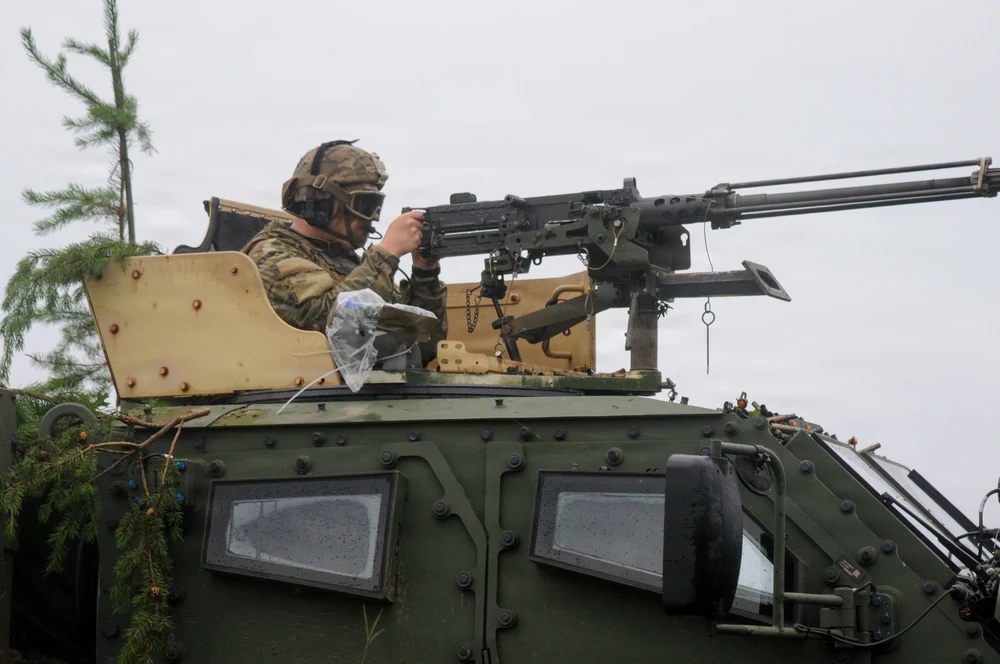
Cavalry Scouts conduct reconnaissance and surveillance missions to identify enemy positions, monitor troop movements, and gather critical battlefield intelligence.
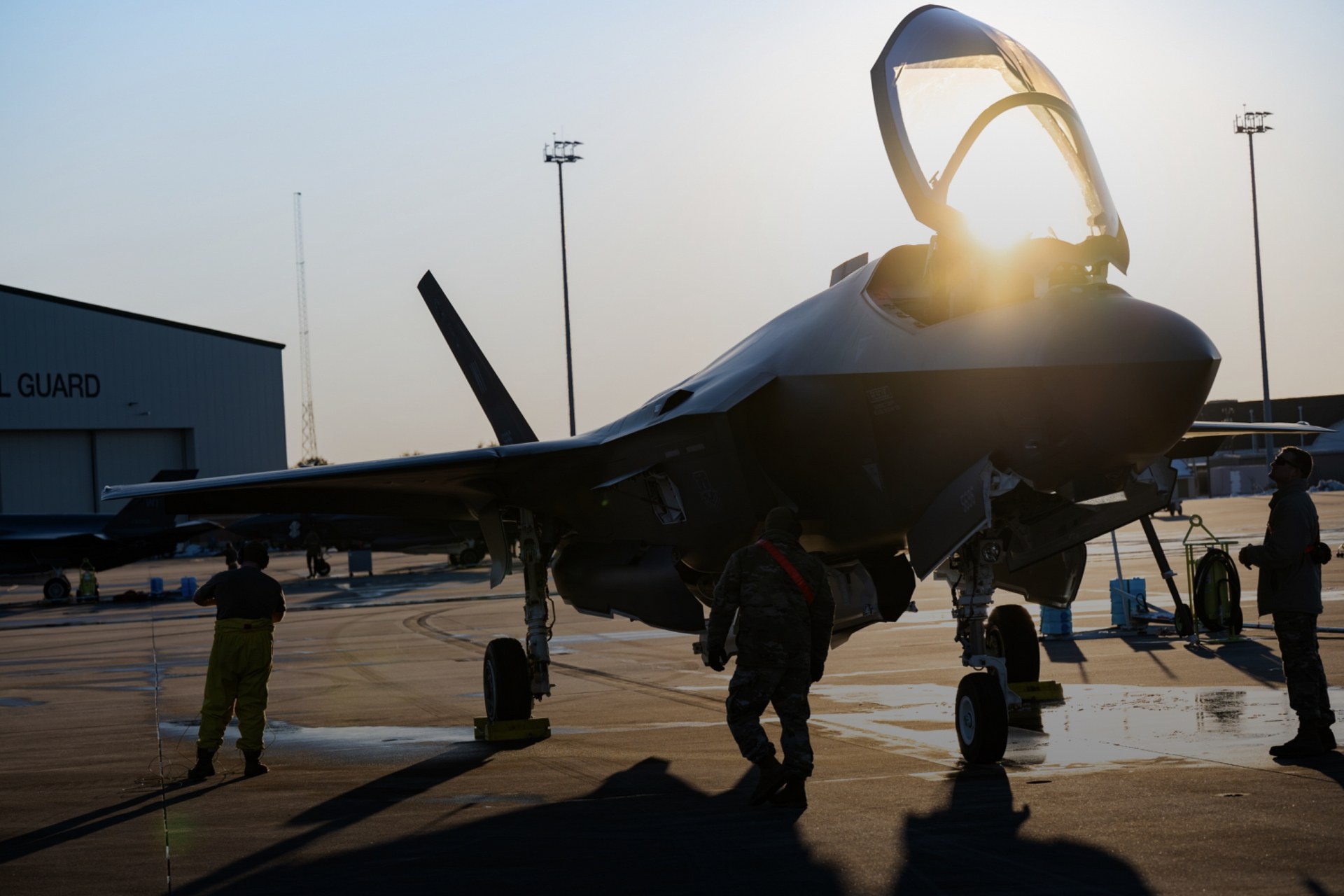
Air National Guard fighter pilots operate advanced combat aircraft to establish air superiority, intercept hostile aircraft, and conduct precision strikes against enemy targets.
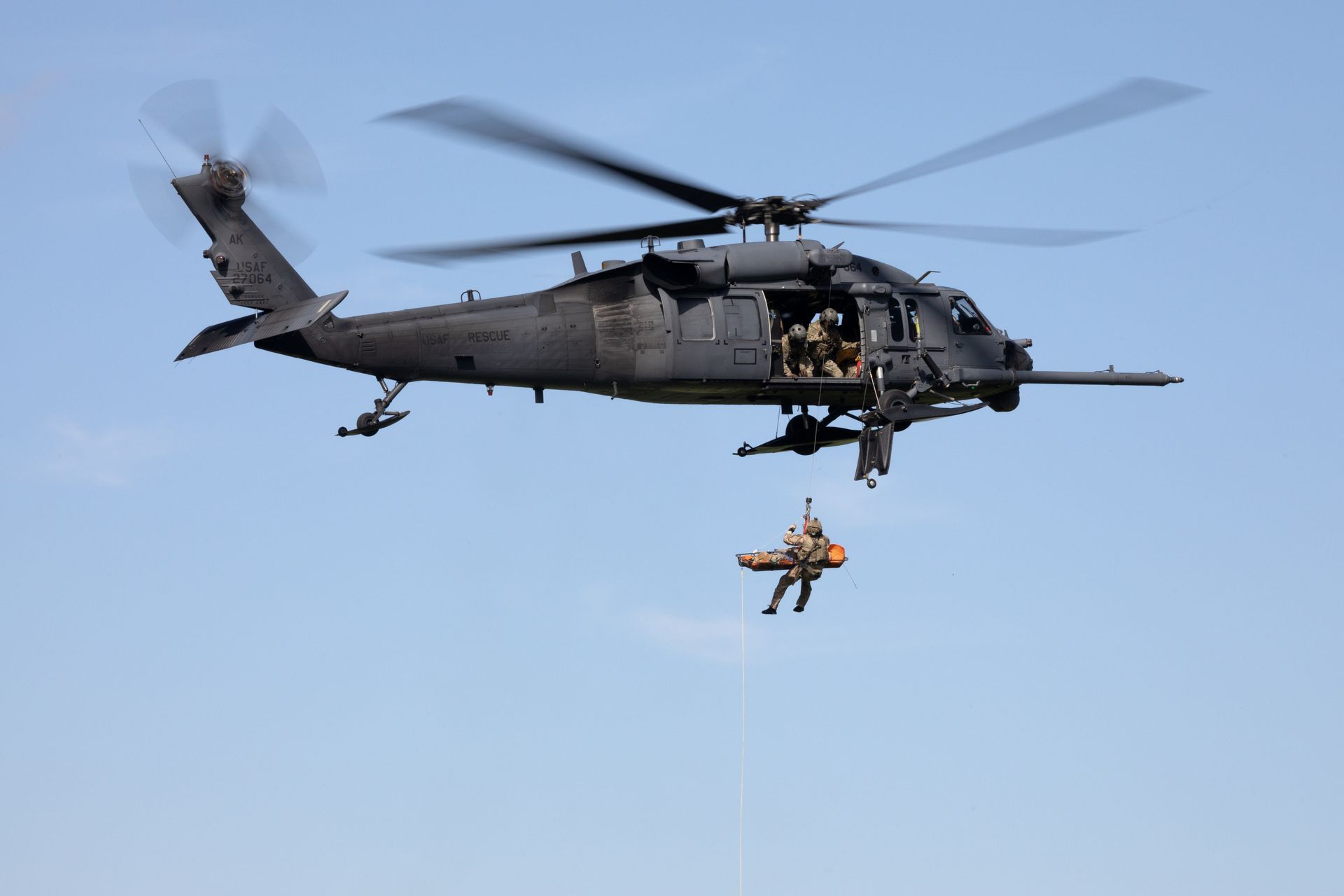
Pararescue specialists conduct combat search and rescue missions, recovering isolated personnel and providing lifesaving medical treatment in hostile environments.
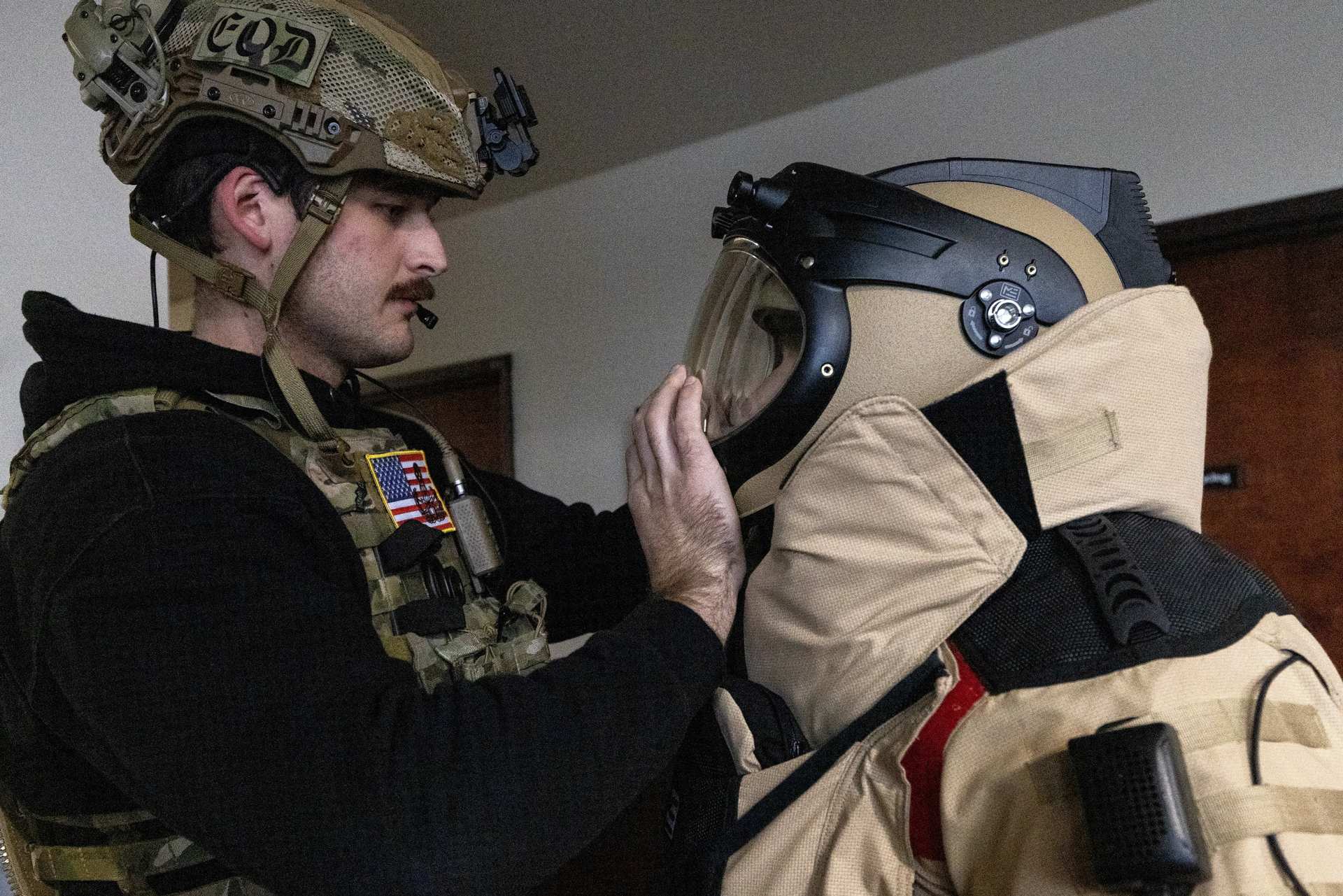
Explosive Ordnance Disposal specialists identify, disarm, and safely neutralize bombs, improvised explosive devices, and other hazardous military explosives.
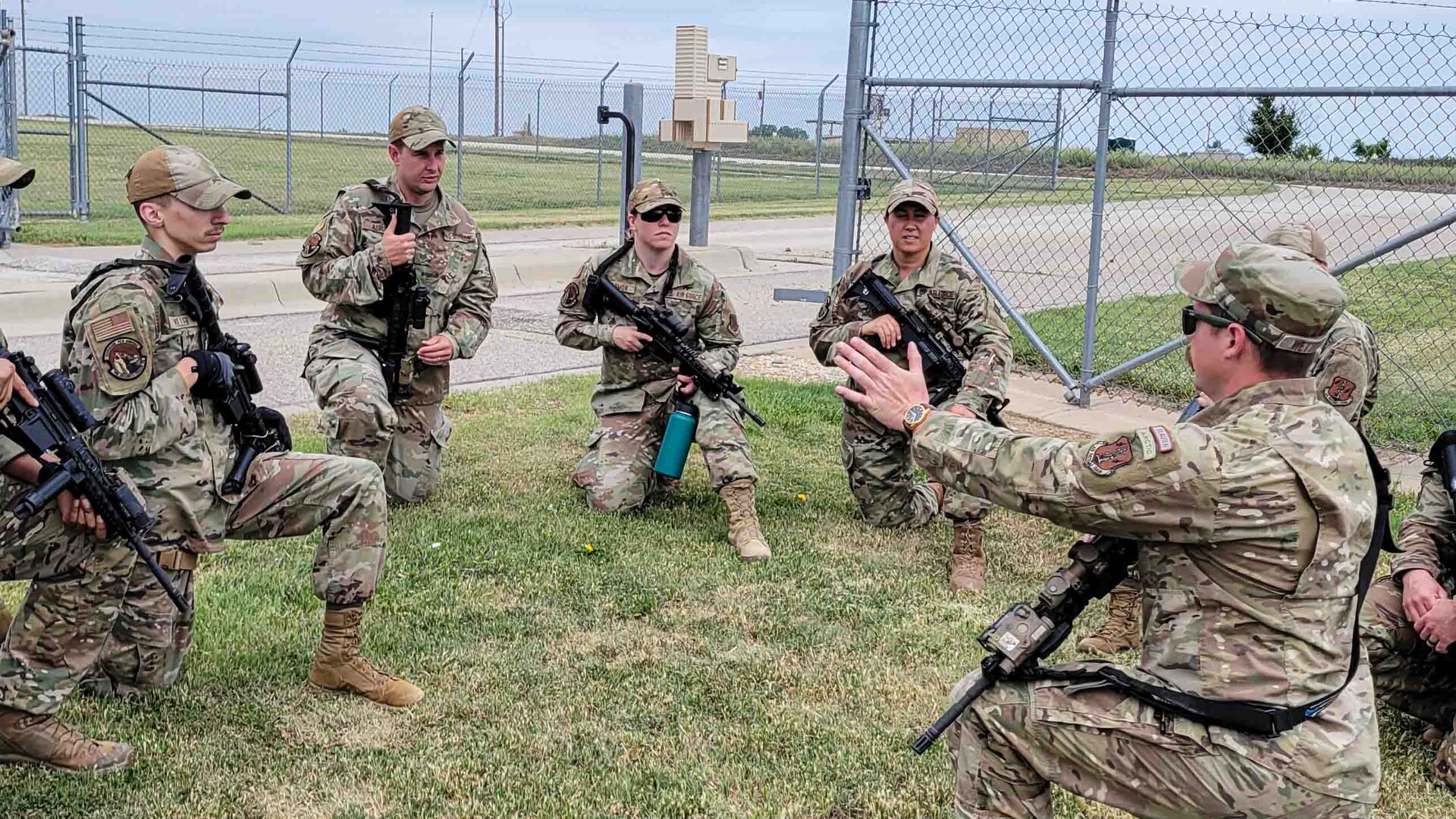
Security Forces Airmen protect military airfields, aircraft, and personnel through armed patrols, installation defense, and tactical security operations.
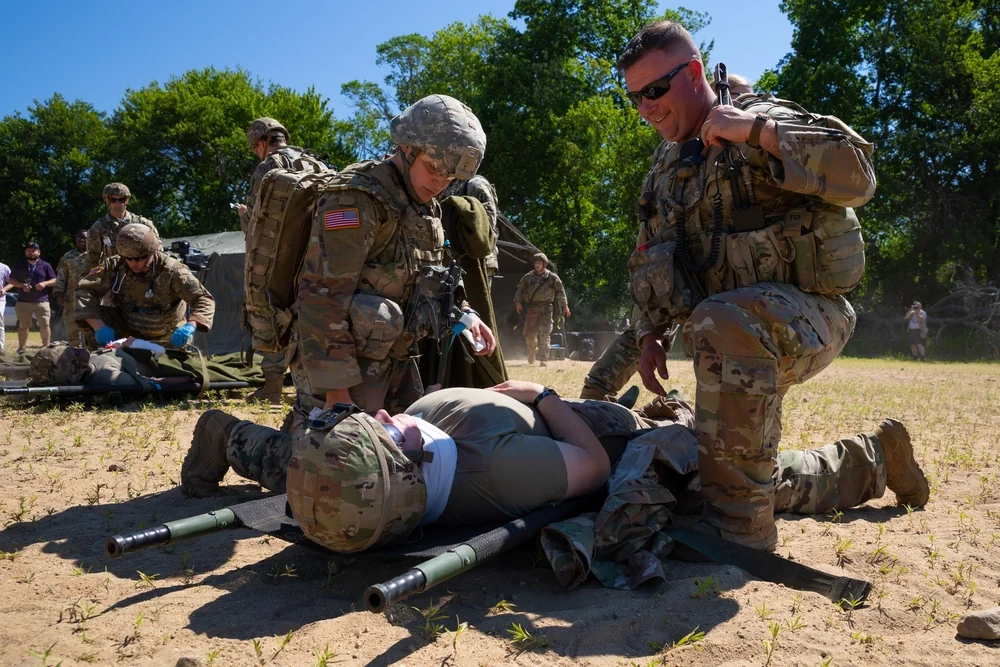
Combat Controllers deploy into hostile environments to establish expeditionary airfields, direct military aircraft, and coordinate critical air operations.
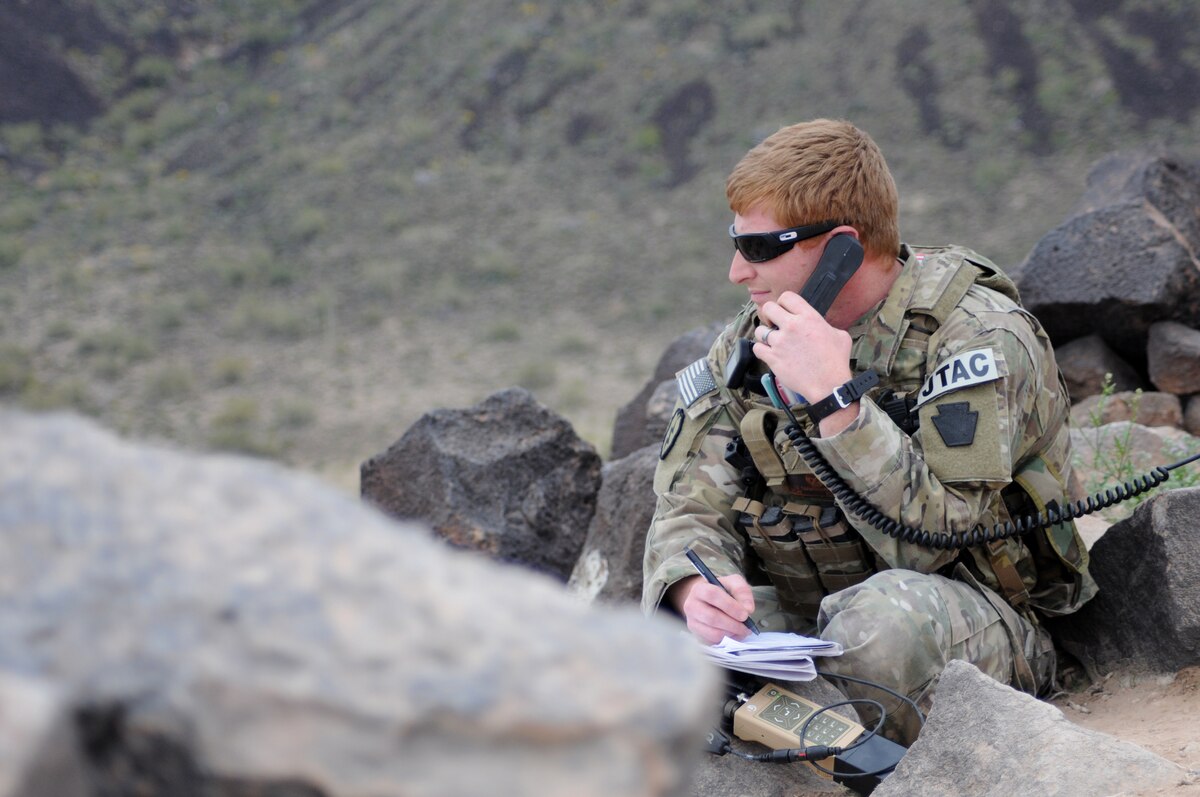
Tactical Air Control Party specialists coordinate air support for ground military forces, integrating air and ground operations during combat missions.